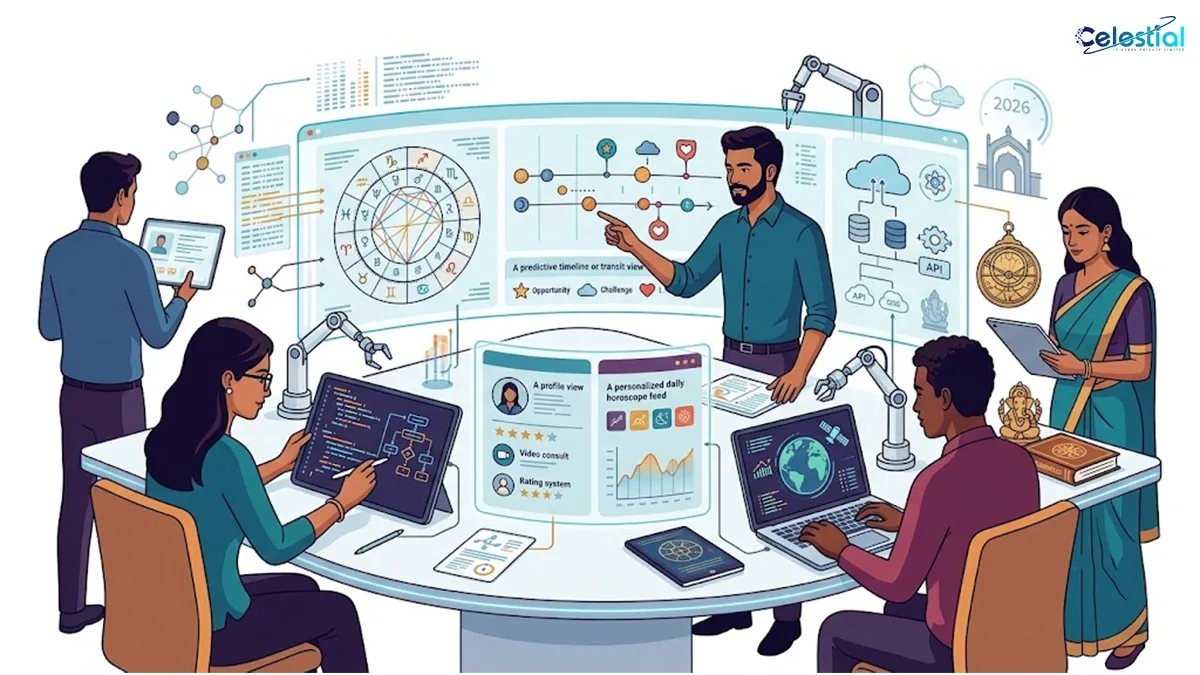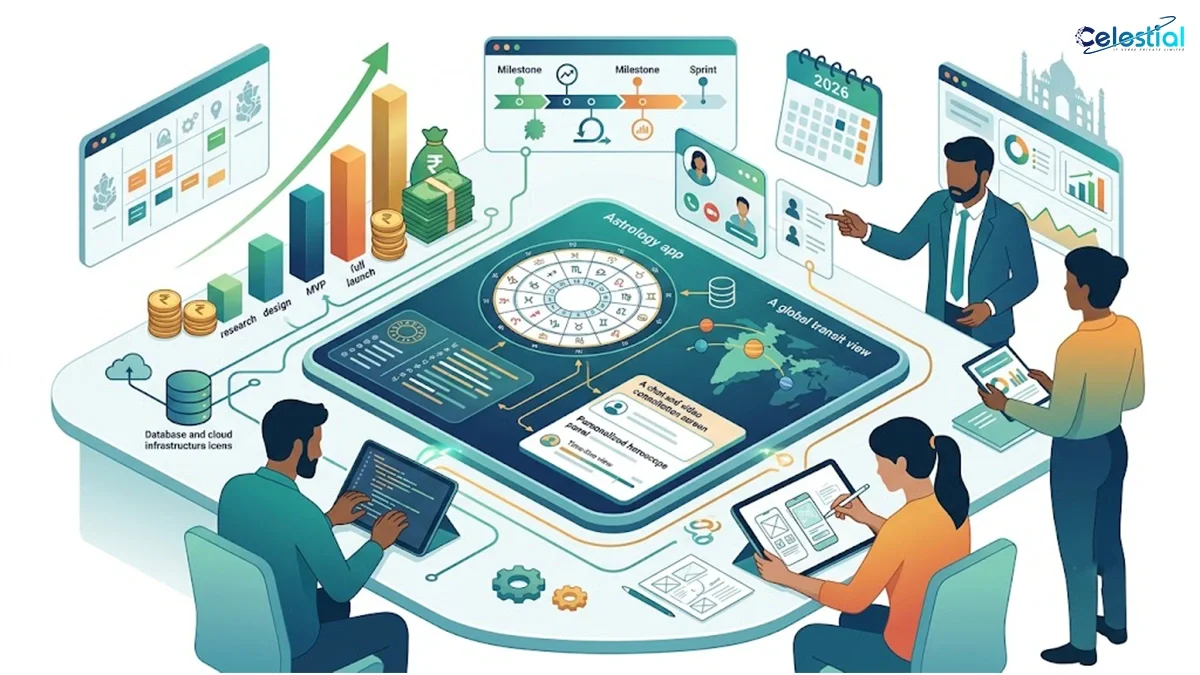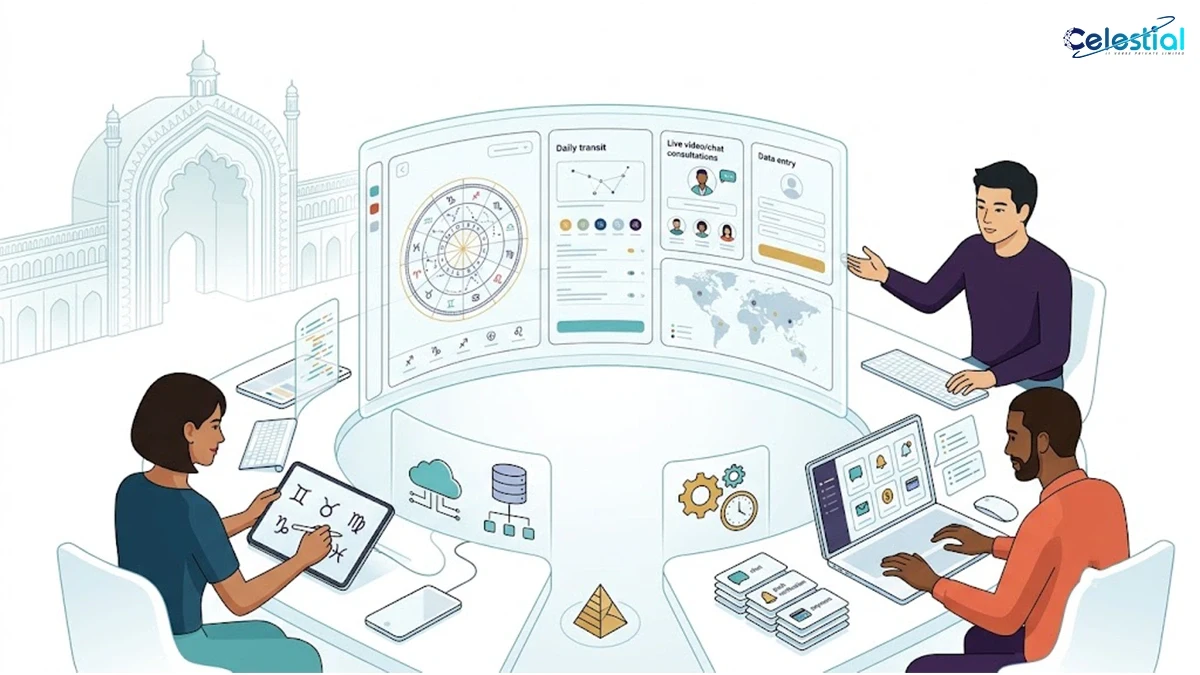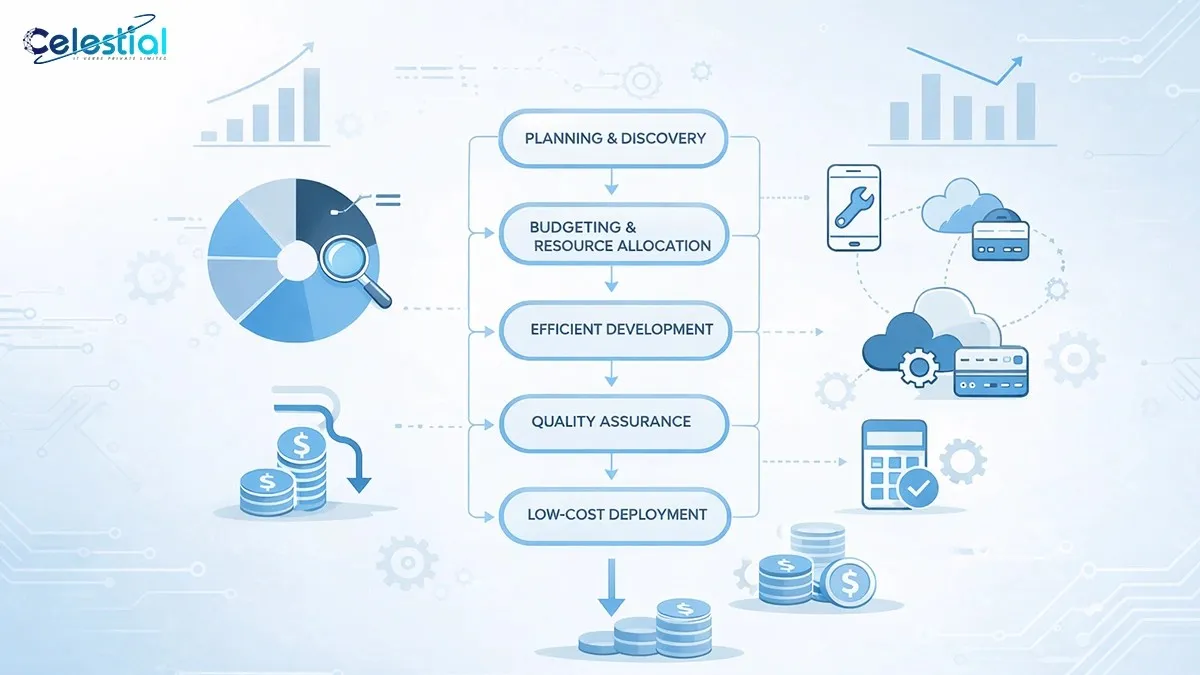

Plan App Development: The digital enterprise will face the challenge of developing fast, friendly, and low-cost mobile apps. The challenge is the cost of developing apps, which has increased over the years with the adoption of more advanced technology, increased user needs, and extended development periods. Contrary to the high cost, many successful startups and e-commerce businesses have developed their high-quality apps on a low budget.
But how do they manage that? This guide outlines how to strategize app development in e-commerce and other sectors at the lowest possible cost without sacrificing quality and scalability. The following guide is for you to learn how to make your custom app development roadmap and cut costs.
Importance of App Development Costs in the Year 2025
The mobile app market in 2025 can be expected to grow to over 935 billion US dollars. Apps are no longer used for entertainment alone but for online shopping, banking, ordering food, healthcare, and even networking.
For e-commerce businesses, mobile apps aren’t just nice-to-haves anymore; they’re engines of growth. Mobile shopping has already surpassed desktop shopping, and digital-native companies are experiencing higher engagement, retention, and conversion through mobile apps compared with their mobile websites.
However, app development costs can rise quickly if there is no proper planning. Many businesses tend to rush into development and end up spending money on:
- Unnecessary Features
- Bad platform choice
- Frequent Redesigns
- Lack of Scalability
- Inappropriate selection of development agencies
Step-by-Step Strategy to Plan App Development with Minimum Cost
Here are the best strategies for keeping the cost low and maintaining efficiency during app development in the year 2025:
1. Begin with a Well-Defined App Objective
“The single biggest cost-savings principle: Don’t build an app until you understand exactly what problem it solves. Instead, let a user’s needs define which issues they
- What are these strategic questions?
- What problem does the app solve?
- Why would users need this?
- Is there already someone doing the same work?
- How is your offering different?
By being specific, one avoids overspending when it comes to unnecessary functionality, design, or objectives.
Example: Developing an E-commerce Application
Rather than starting with 20 complex features, some online retailers might target:
- Browsing products
- Add to cart
- Check out and payment
- Order tracking
- Notifications
These five features alone can already begin to make revenue.
2. Selecting the Right Type of App Based on Cost Considerations
In 2025, you will have three alternatives for app development:
- Native Apps
- Built for both iOS and Android platforms.
- Most capable but most expensive solution.
- Hybrid Apps
- Apps
- Built with shared code frameworks such as Flutter or React Native.
- Best combination of cost and speed.
- Progressive Web Apps
- Similar to mobile apps but served in browsers.
- Suitable for MVPs on a tight budget
With little investment, the hybrid and PWA options will be some of the best. It is also advocated for by most development organizations of custom apps.
3. MVP Features
The formula for app development costs is going lower: start with a minimum.
- Basic Functionality
- Payment integration
- Security
- Analytics
- User login
Avoid:
- Augmented Reality
- Personalisation AI
- Advanced 3D Graphics
- Overly complicated UI animations
90% of app failures are due to the fact that organizations strive to deliver nothing but “perfect” versions on day one.
4. Leverage Pre-built Templates & Modules
In the year 2025, it will be inefficient to code everything from scratch
Reusable components translate to huge savings in terms of hours of development
- Login Systems
- Datenmodelle
- UI design kits
- Third-party plugins
- Admin dashboards
As far as the development of e-commerce apps is concerned, APIs, or pre-built functionalities, have already been provided by Shopify, WooCommerce, or Magento to save costs.
5. Outsource App Development to Affordable Regions
Employing developers from costly nations may very well double the cost.
Outsourcing the work to countries where there is high talent availability at lower rates, for instance, India, Indonesia, or Eastern Europe, is increasingly gaining popularity in creating custom applications.
Global outsourcing has the following benefits:
- Lower cost per hour
- Highly skilled coding teams
- Accelerated timelines
- Flexible work structures
This would cut down on app development costs by a minimum of 60%.
6. Use Open-Source Technologies
Open-source offerings:
- Free frameworks
- Free database engines
- Layers of free security
- Free Libraries
Popular choices in 2025
- React Native
- Flutter
- Node.js
- Laravel
- Django
- MySQL
- PostgreSQL
These are used and acknowledged by prominent e-commerce players for scaling business apps at the lowest costs.
7. Preventing the Reinvention of UI
E-commerce websites tend to overdesign, thinking they need a “unique” design.
But users like familiar interfaces.
Stick to:
- Standard menu formats
- Common checkout scenarios
- Easy navigation
- Clean Typography
It minimizes the cost, but at the same time,
8. Opt for cloud web hosting rather than local server web hosting.
Conventional servers must:
- Maintenance
- Upgrades<|python_tag|>
- Hardware
- Security setup
The cloud hosting reduces this overhead significantly.
- AWS
- Google Cloud
- Azure
Provide scalable payment terms—pay for only what you use.
9. Leverage Automation and AI to Lower Testing Costs
Manual quality assurance can eat 25 percent of your budget.
AI Testing:
- Enhances error detection speed
- Saves human labor
- Enhances the overall app reliability.
The tools that would be available by 2025
- AI-powered debugging
- Automated UI testing
- Monitoring performance
10. Plan For Cost Maintenance
Apps are not products sold once.
Yearly recurring expenses are:
- Hosting
- Support
- Feature upgrades
- App store fees.
It prevents financial surprises.
Read Also: Top Industries Benefitting from the Power of Mobile Apps
Factors that change cost:
- Team size
- Platform choice
- UX complexity
- Tech architecture
- Integration systems
Top Ways that E-Commerce Firms Reduce App Expenditure
E-commerce firms use these measures to control their costs:
- Common backend for web and applications
- The same database cuts costs.
- Third-party Payment Gateways
- Carts with modular systems
- Reusable code saves time.
- These decisions impact the lifetime development costs, reducing them by 40% or more.
- Common Budgeting Errors to Avoid
- Adding needless “bells and whistles
- Engaging costly local talents
- MVC
- Inadequate project documentation
- Platform switching during development
- Skipping User Experience Research
Cost-Effective App Development Partnership Selection Tool
Some questions to ask when choosing a development company includes
- Can they develop an MVP first?
- Do they provide documentation?
- Tech Stack?
- Do they possess experience in app development for e-commerce?
- What is the development timeframe?
- Are they available for support after the game’s release?
- Price alone is never an indication of quality.
- Low price + great portfolio = real worth.
- Low-Cost Application Development Predictions for the Future
Important trends of today:
- “AI-assisted programming tools”
- Lastly, one code base, multiple product launches. No-code and low-code builders
- The cost of developer efforts will be app development trickery.
No entry-level applications become affordable. “Cross-platform open frameworks” Increased use of hybrid solutions. These changes will also continue to reduce prices.
Conclusion:
It is possible to plan the development of apps at cheaper costs in 2025 if there is a strategy before coding. E-commerce businesses and startups can thus implement a planned strategy in their app development processes, such as choosing the development type of the app as hybrid, developing MVP apps first, outsourcing globally, and using open-source development tools. The answer is not to avoid spending; the answer is to just spend wisely. With the right planning, the right development partner, and the right technology choices, smaller businesses can undertake scalable custom app development projects to rival the big e-commerce giants.
FAQs: Plan App Development
1. What is the cost of e-commerce app development in 2025?
A minimum e-commerce app will cost approximately $15,000 to $60,000 based on functionalities and platforms.
2. How can you develop an app on a low budget?
Use of hybrid frameworks, outsourcing to regions with lower costs, and MVP First are the cheapest approaches.
3. Must Every Online Business Have an App?
In 2025, a large number of online businesses make the most out of apps since users favor m-commerce. This is because push notifications boost sales.
4. Is custom app development possible under a budget of $10,000?
“Yes, if the scope of work remains small, there would be limited features, and technologies such as PWAs or low code would be adopted.”
5. How long does app development take?
On Average, MVP app – 3 to 6 months, Complete app – 6 to 12 month
Transform your app idea into reality without overspending. Connect with us to discuss budgets, timelines, platforms, and technology options with Celestial IT Verse